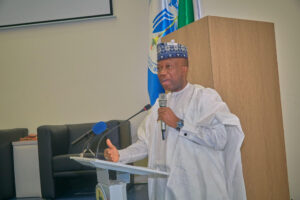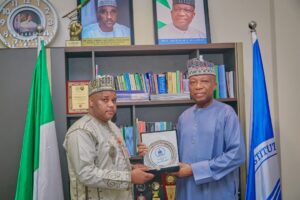

Director General, National Institute for Legislative and Democratic Studies, Abubakar O. Sulaiman, has emphasized the need for responsible governance of artificial intelligence (AI) to safeguard democratic institutions in Nigeria ahead of the 2027 General Election.
Prof. Sulaiman made the call on Thursday during a public lecture organized by the institute to examine how emerging technologies could shape Nigeria’s democratic process as the country prepares for the next general elections.
While delivering the opening remarks, he said rapid digital transformation is reshaping governance, public communication, and political engagement across the world. While acknowledging the benefits of technological innovation, he warned that emerging technologies also raise critical concerns about regulation, transparency, and the protection of democratic values.
According to him, effective governance frameworks for artificial intelligence will be essential to ensure that technological advancements strengthen democratic institutions rather than undermine public trust.
The lecture, titled “Artificial Intelligence Governance in Nigeria and the 2027 General Elections: Policy Recommendations,” was delivered by Professor Ephraim Stephen Essien, who examined both the opportunities and potential risks associated with the growing use of digital technologies in political communication and electoral systems.
Professor Essien noted that artificial intelligence is increasingly influencing governance systems, digital media, and political engagement globally.
He explained that AI-driven technologies could support electoral processes through improved data analysis, enhanced information systems, and digital platforms that promote civic participation.
However, he cautioned that the misuse of AI tools particularly automated political messaging, deepfakes, and the rapid spread of misinformation could pose serious threats to electoral integrity if not properly regulated.
Among the key recommendations highlighted during the lecture were strengthening research and innovation in artificial intelligence, expanding digital education and technical capacity, and establishing clear legal safeguards to protect personal data and privacy.
The event forms part of the ongoing policy dialogue facilitated by NILDS to deepen understanding of emerging technologies and their implications for governance and democratic development in Nigeria.
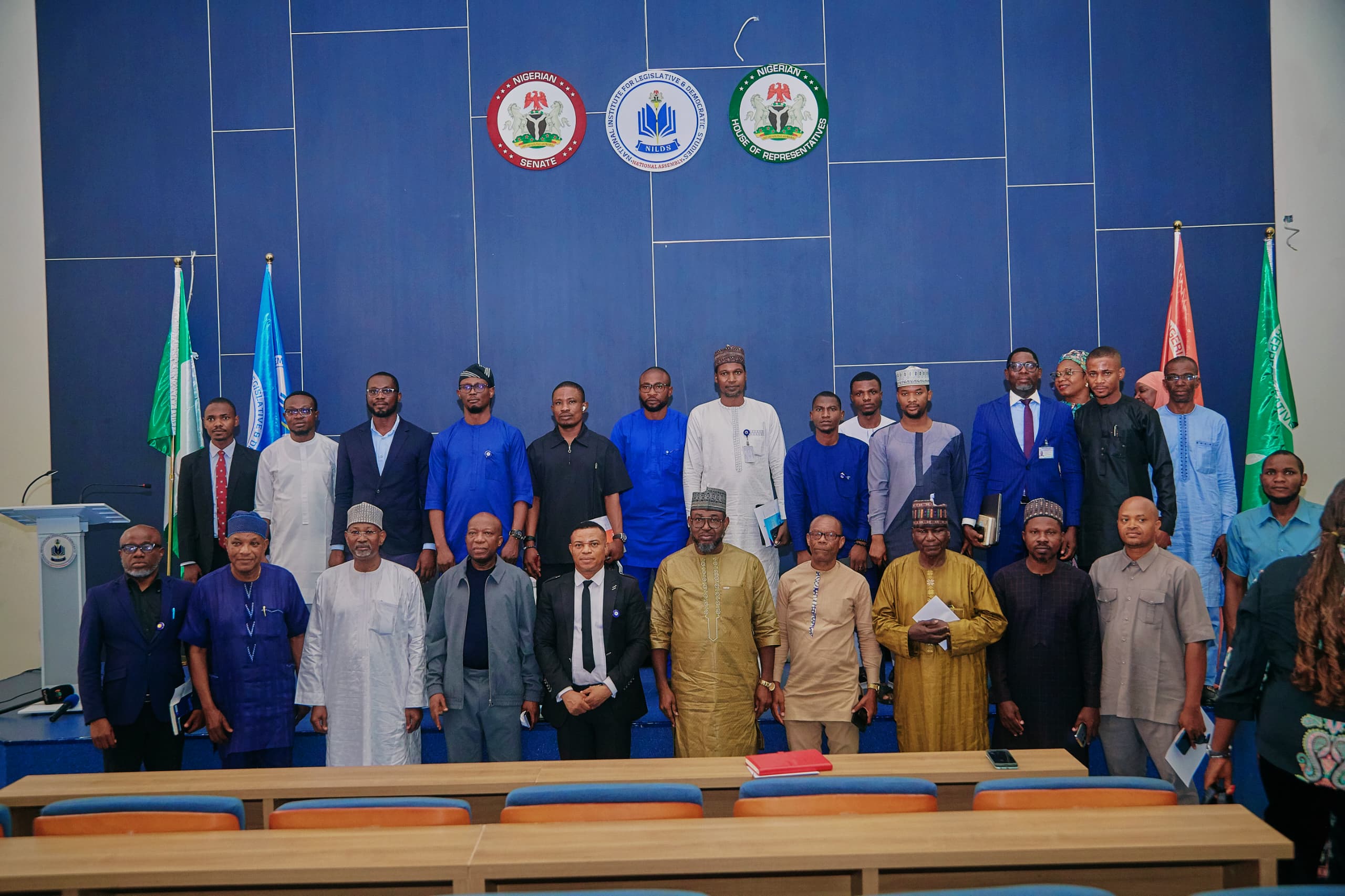
The event was attended by several distinguished scholars, policymakers, and stakeholders, including former Chairman of the Independent National Electoral Commission, Prof. Attahiru Jega, who joined participants in discussing the policy and governance implications of artificial intelligence for Nigeria’s electoral process and democratic development.